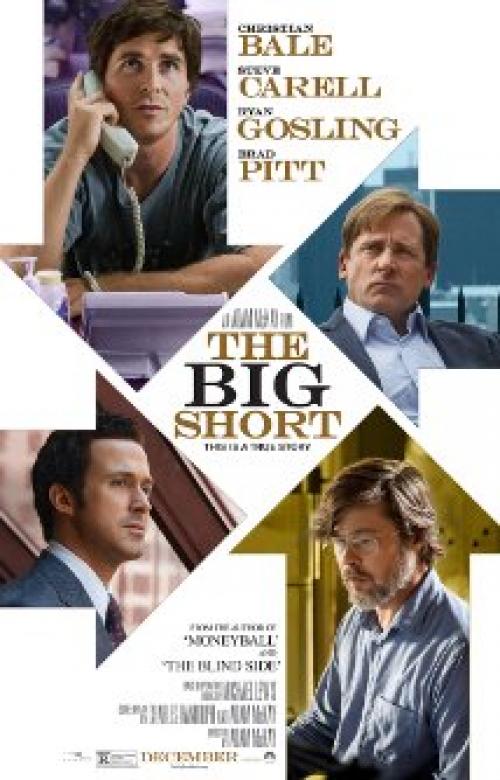




There are two surprising things about The Big Short. One is how entertaining it makes the subject of high finance and the other is the fact that it was directed and co-written by frequent Will Ferrell collaborator Adam McKay, the man behind such films as Anchorman, Talladega Nights, and Step Brothers. Here he reins in his broader humor and produces a still funny, but insightful look at the financial collapse of 2007, without treating the subject with anything less than seriousness. Instead it uses humor to inform.
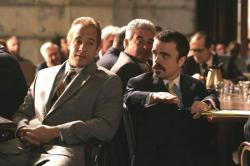
The plot covers the collapse of the housing bubble that precipitated the financial crisis, which sounds like a dry subject for a movie, but as told here isn't. It tells the story from the perspective of three different groups of investors, each one of which features a character played by a famous actor based on a real person. Each of these groups saw the collapse coming and were able to make money from that knowledge, something that makes the film's message rather mixed.
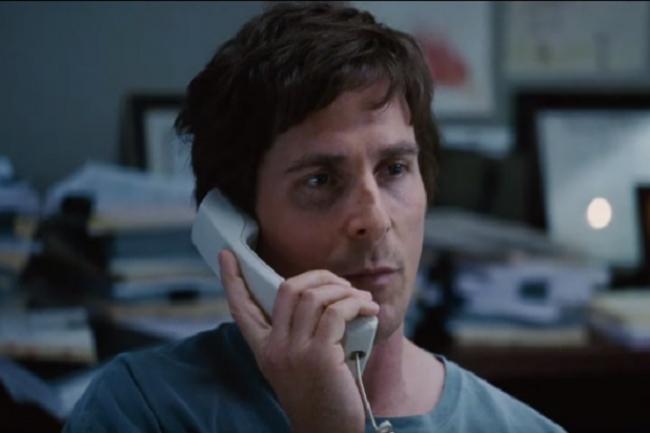
Christian Bale plays hedge fund manager Michael Burry. He's an eccentric financial genius who learns the truth about the state of the mortgage market by literally poring through hundreds of thousands of lines of spreadsheet data showing individual mortgages. When he sees that the housing collapse is inevitable, he uses that knowledge to purchase a credit default swap, which is basically an insurance policy (or even simpler put, a bet) wherein he pays premiums on the policy and gets a payout if the housing market crashes. Against the wishes of his boss and the advice of everyone else, he puts $1.3 billion into these swaps.
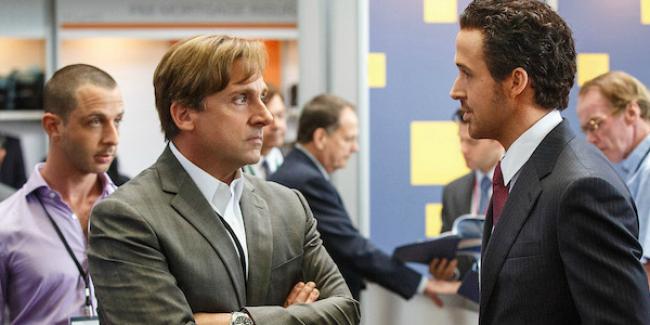
Ryan Gosling acts as the film's narrator and guide for the audience as Jared Vennett, who hears about Burry's crazy investments. Once he examines Burry's data however, he realizes the truth and he convinces market trader Mark Baum (Steve Carell) to invest with him in similar credit default swaps. Carell has slowly been transitioning from comedian to dramatic actor and this movie on top of last year's Foxcatcher, makes the transition complete. His angry trader, coping with personal issues, is the heart of the film and the closest anyone comes to having a conscience about what's happening, although this doesn't stop him from earning a ton of money off the collapse.
The last group is a couple of financial whiz kids from Colorado who learn about Burry's original data from a prospectus of Vennett's, which they find accidentally. They connect with a friend, and former investor, Ben Rickert, played by Brad Pitt who also produced the film, who uses his connections to get them in the game.
McKay makes the best use of his comedy background in the scenes where he explains the many financial terms and acronyms. At times the characters will break the 4th wall to make asides to the audiences, even pointing out on occasion when something has been changed for the film to make it more dramatic. During these asides, they often introduce a celebrity who then explains the financial terms in a very relatable way, such as when Anthony Bourdain uses a fish stew as a metaphor, and Selena Gomez does the same with poker chips, or my favorite, when Margot Robbie explains high finance while sipping champagne in a bubble bath.
For the most part, the film avoids bringing politics into the story. It blames unrestrained and unregulated greed rather than any specific political party or politician. But this greed is bad tone is where the film's message becomes a bit contradictory. This is the story of financially perceptive men who see a financial collapse coming and who use their knowledge, not to warn or try and prevent (not that there's much they might have been able to do), but to make millions and billions of dollars from it.
I said there were two surprising things about this movie, but actually there's a third thing. Going in, I never expected it would turn out to be one of my favorite movies of the year.