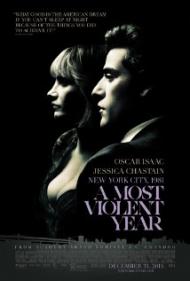




A Most Violent Year is the third film which J.C. Chandor has written and directed. And like his two previous features, Margin Call and All is Lost, this is another finely written effort. It's a gangster film set in New York City during the winter of 1981, one of the most violent periods in the city's history. It's been drawing comparisons to a Sydney Lumet film and the comparison is an apt one. It's easy to picture a young Al Pacino in the lead role, with Lumet behind the camera.
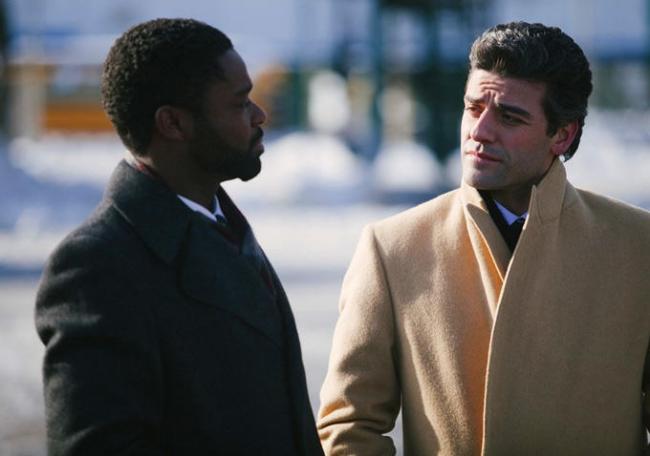
Oscar Isaac stars as Abel Morales, the owner of a heating oil company in the city. When the movie opens he's making a deal to buy some land along the Brooklyn waterfront. He puts down a hefty deposit and has 30 days to come up with the remainder or he'll forfeit his down payment, which represents most of his working capital. Naturally enough things start to wrong before his signature on the contract is even dry. Someone is assaulting his employees and stealing his trucks, draining of them of their oil and then abandoning them. The District Attorney is investigating his business and threatening to bring charges. He is awoken one night by a home invader, who abandons a hand gun in the yard, only to have it picked up by Abel's daughter later in the film. All of these troubles spook Abel's bank and they refuse to support him further, leaving him scrambling to come up with the rest of the money for the property.
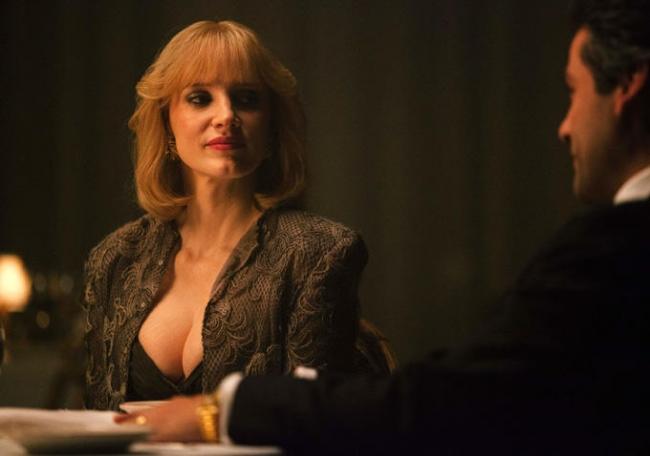
The cast is terrific. Isaac is the stoic center of it all as Abel. He's an honorable man trying to run his business and provide for his family without resorting to violence. His competitors are mobsters and his wife is the daughter of a racketeer who often reverts to her family's tendencies. Chastain as the wife Anna isn't as concerned with morality as her husband. She's happy to carry a gun and doctor the books. When her family is threatened, she urges Abel to take whatever action necessary to protect them. Albert Brooks is Abel's lawyer and advisor. On the moral compass he falls somewhere in between the husband and wife. He admires Abel but like Anna, knows that sometimes the only way to get things done is to bend the rules.
1981 was a colorful year in New York City's history, with rampant crime and graffiti covered subway cars. It was a long time before gentrification and this rougher, edgier city is the background to this turf war. It's authentically depicted here in the cars, the clothes, and the hairstyles, making it possible to almost believe this film was actually shot in that year.
If there's a problem with the story it's that while the entire film is a slow boil, with the lid barely staying on the plot, it never boils over the way we're lead to believe it will. The title and the story lead you to believe there will be a violent conclusion where Abel will finally lose his cool. It almost happens. He almost gets there. There's an exciting 11th hour chase, but it's not as dramatic as audiences might be expecting. It's not that the ending isn't satisfying, just that it's not quite as climactic as it might have been.
Despite this small flaw this still remains one of the most tense and finely acted films of the year.