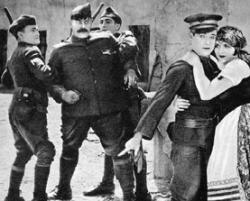



Early in 1910 D.W. Griffith, along with his actors (including Mary Pickford) and film crew from Biograph, went on a 4 month working vacation to California. From February to May of that year he shot 25 shorts in various locations throughout the state, including what is considered to be the first movie shot entirely in Hollywood, In Old California (not to be confused with Cecil B. DeMille’s The Squaw Man (1914) which was the first feature length movie shot in Hollywood). He demonstrated the states suitability for filmmaking with its abundant sunshine and variety of terrain including deserts, mountains and the sea shore.
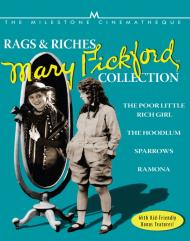
Ramona is one movie made during this fateful trip. Griffith would return permanently to the then rural suburb of Los Angeles known as Hollywood at the beginning of 1913; Pickford would arrive later that same year right as Hollywood was becoming the movie capitol of the world.
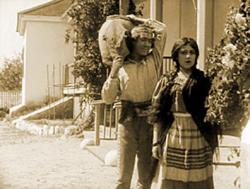
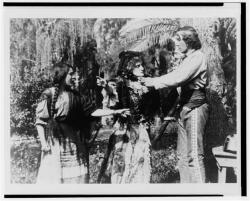
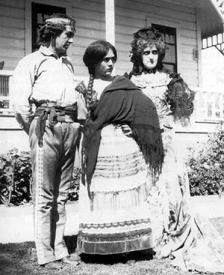
Ramona is based on the book by Helen Hunt Jackson which was published in 1884. Griffith shot it at Camulos, Ventura County where the events in the book took place. Ramona is notable as the first movie to list its shooting locations in the credits.
The novel is condensed into a 17 minute movie. Pickford is the title character, a young girl living with her abusive stepmother in Southern California during the19th Century. Against her family and society’s rules she falls in love with an American Indian named Alessandro. They eventually run off together, get married and have a child.
The settlers attack Alessandro’s village and things don’t end well. The movie is subtitled “A Story of the White Man’s Injustice to the Indian”. I find it interesting that Griffith chose the subject of interracial love. He would later revisit this theme in Broken Blossoms with a relationship between a white girl and a Chinese man. It appears his views on race were somewhat more complex than you would think just from watching The Birth of a Nation.
Mary Pickford, in a long black wig in braids, was either given bad direction or hadn’t yet mastered the art of dramatic screen acting because she over emotes badly. To be fair it’s a close race between her and Henry B. Walthall as Alessandro to see who can overact the most. In fact, pretty much all of the acting is melodramatic even by silent movie standards.
The best things about Ramona are the many panoramic shots of the countryside. Most of the movie takes place outdoors and Griffith makes great use of the scenery. California in 1910 was a beautiful and majestic place before urban and suburban sprawl. Ramona is historically significant in setting, theme and genre but like many silent movies it is not much good as entertainment.