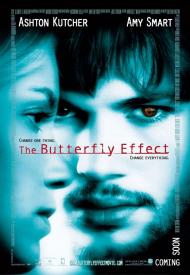




The Butterfly Effect surprised me with its depth and seriousness. Ashton Kutcher usually plays some variation of a goofball. Here he plays it straight and to great effect.
The movie tells the story of a boy who has blackouts. He has no memory of what happens during those times. His father is in a mental ward for experiencing the same thing. The blackouts all seem to occur during very traumatic times in his youth. The only advice he is given to help deal with this problem is to keep a journal.
The movie jumps ahead to when the boy is now in college. He has not had a blackout in years. One day he reads from one of his old journals and discovers that he can actually take himself back to one of his blackout periods. The fallout from doing so is that it changes people's lives. Each time he goes back, his present life and the lives of people around him change dramatically.
The movie is straight science fiction, but it is played with serious drama. Ashton does a great job of holding this movie together. His performance could have easily become campy or heroic, but he plays it all as if he is just a normal Joe caught up in something bigger than himself.
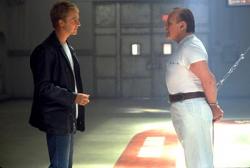
One of the resolved problems is too simple and not very believable. At one point, he goes back and confronts a pedophile. The movie would have you believe that a foul-mouthed 7-year-old could convince an adult pervert to stay away from kids and mend his ways just because he said so. It is the one truly weak scene.
The ending was a bit surprising to me, and I will not give it away. It packs an emotional punch that stays with you. I went into this film thinking it would be Dude Where's My Time Machine. Whereas time travel is in the movie, it is more akin to Frequency, only with a better ending.