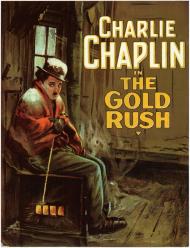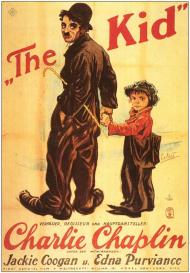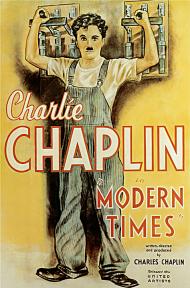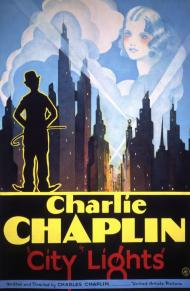



The films of Charlie Chaplin have been studied and written about more than the films of any other person in cinema history. He has become a mythic figure in the same company with Shakespeare, Beethoven and Van Gogh. It is a complete toss-up between City Lights and The Gold Rush as to which is his greatest movie. They are both so good that choosing between them is as pointless as choosing between 'Hamlet' and 'Macbeth'.
This amazingly talented man wrote, directed, produced, edited, starred in and composed the score for City Lights.
Chaplin fearlessly released this silent movie four years after the advent of sound. So incredibly successful and famous was he that, unlike Keaton and Lloyd (or any other silent star for that matter), he was able to continue making movies on his own terms.
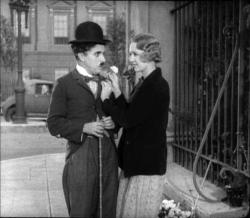
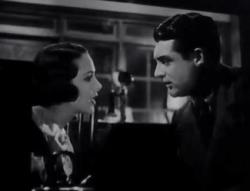
Subtitled 'a comedy romance in pantomime' City Lights tells the story of the Little Tramp and his love for a blind flower girl. When he climbs through a fancy parked automobile to elude a policeman the girl mistakes him for the car's rich owner. Enchanted by her, the Little Tramp decides to play along. Later that evening he saves the life of a suicidal and very drunk millionaire. Thus creating a friendship that enables him to woo the innocent girl without revealing his true identity to her. Unfortunately the millionaire only recognizes the Little Tramp when he is drunk (which is every night it seems) and this sets up many comic opportunities.
One day the Little Tramp learns that the girl and her grandmother are going to be evicted from their home. Having recently been rejected by his now sober benefactor, he tries his hand at several odd-jobs to raise money for the girl's rent. Eventually, he crosses paths with the once-again inebriated millionaire and gets enough money from him to pay for the girl to have corrective surgery on her eyes. Then, due to a misunderstanding, the Little Tramp is accused of stealing from his rich friend and serves time in prison.
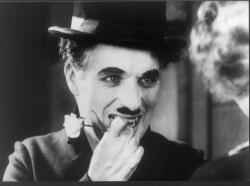
Upon his release he meets up with the no-longer-blind flower girl and she finally realizes that her 'rich' suitor is really a homeless tramp. Words cannot do justice to this scene. Celebrated critic James Agee rightfully and quite simply called it "The high point in movies." The look on Chaplin's face as he nervously smiles at the girl will break your heart.
Chaplin once said, "Movies need dialogue as much as great symphonies need lyrics." From anyone else's lips these words are meaningless, but from this silent poet and true movie genius they ring true.