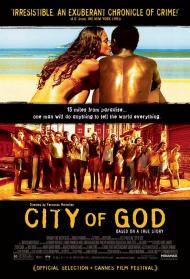



Masterfully directed with an interesting chronological looping and stylish use of split-screen images, City of God is one of the year's best films. This brutally violent story is both a desperate cry for help and a searing indictment against poverty and corruption. City of God tells how the street-gang culture of guns and drugs developed in the slums of one of Brazil's largest cities. It shows how this culture perpetuates itself from generation to generation amidst the fertile ignorance of intense poverty and police corruption.
Director Fernando Meirelles displays uncanny timing in knowing just when to throw in a funny line. These moments are a brief respite from the intensely depressing world of the Rio de Janeiro slums and - just as the characters in the movie use humor to make their lives more bearable - these surprisingly witty laughs keep the audience from overdosing on the squalor and hopelessness of the world portrayed. For example when the power-crazed drug lord L'il Zé orders his minions to search through every page of newspaper to see if his name is mentioned, he asks one of the guys if he can read. Without a hint of irony, the guy replies, "yeah, but only the pictures."
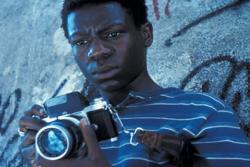
Thankfully at the very center of the story there is Rocket. Rocket is a thoughtful young man who has somehow remained above the waves of violence and drugs surrounding him. He is ingenious if not completely guileless, since true innocence is a luxury not available in his world. Rocket dreams of being a photographer and of one day escaping the City of God. But getting out isn't easy.
This movie is filled with colorful characters, the majority of whom die violently before the end credits. The violence gets so extreme and is treated so nonchalantly that by the end of the movie you can feel yourself growing numb to it. And I think that is the director's intention.
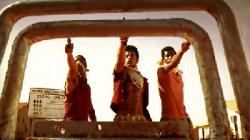
The movie ends with a scene featuring a group of young boys ranging in age from maybe six to thirteen. They have just committed a brutal murder and as they march off through the streets, filled with cockiness and armed to the teeth, they excitedly discuss who they will kill next. Remove the artillery and this could be any group of young boys in any tough neighborhood around the world in any time era. But these kids aren't given to hyperbole, they are deadly serious. It is a chilling denouement to a riveting movie.
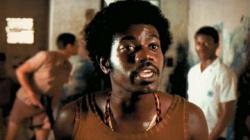
I have to mention how good the young cast is. Phellipe Haagensen who plays the much loved, beautifully spirited Bené and Alexandre Rodrigues as Rocket are the standouts but not once does even the youngest child in the movie compromise the artfully crafted realism.
Meirelles brilliantly reveals his story. Often back-pedaling to fill in details or suggesting what is to come. This allows him to cover a lot of ground, cinematically speaking, and though the movie runs over two hours in length, it plays swiftly throughout. I'm glad the Academy has recognized him with a Best Director nomination. Frankly I think he deserves to win. But either way he has received world-wide recognition and hopefully opened millions of eyes to a vast societal problem with this terrific motion picture.