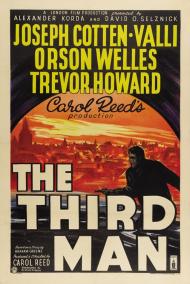



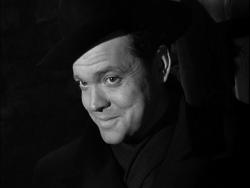
The Third Man is one of the most celebrated examples of film noir in cinema history. It was directed by Carol Reed from a story by Graham Greene. It is truly one of the most atmospheric mysteries ever filmed. All you need know about the plot is that an American writer of pulp Westerns arrives in postwar Vienna and investigates the murder of an old childhood friend. Trust me, you'll enjoy this movie much more if you discover the story as it plays out.
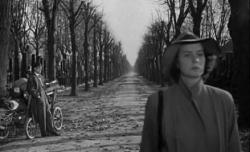
This movie is famous for its Oscar winning black & white cinematography. Sharply tilted camera angles and looming shadows are used to brilliant effect throughout the movie. The climax in the sewers of Vienna, nearly every shot of which is now considered classic, is not only masterfully suspenseful but it has also influenced many other films.
The Third Man is also famous for its score by Anton Karas, which was played entirely on a zither. From the opening credits, right up to that famous final long shot, the music enhances the story and adds to the sense of atmosphere that the film absolutely drips with. The music is neither happy nor sad but is very unique and somehow seems to suit the movie perfectly.
As an historical record of the destruction caused by the second world war, The Third Man is priceless. The streets of Vienna, shot mostly at night, are filled with rubble. Bombed-out crumbling buildings stand in sharp contrast to some of the most beautiful architecture imaginable. Reed had the cobblestone streets watered to make them dramatically reflect light during the night shoots.
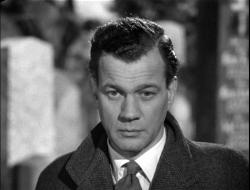
Joseph Cotten stars as Holly Martins but he is upstaged by Orson Welles in his limited screen time as one of cinema's great villains, Harry Lime. His entrance (more than an hour into the picture) is one of the most memorable of all time. And the scene at the famous Viennese Ferris wheel features one of the best bits of dialogue you are ever likely to hear. According to legend it was added to the script by Orson Welles.
He tells Holly, “Like the fella says, in Italy, for thirty years under the Borgias, they had warfare, terror, murder and bloodshed, but they produced Michelangelo, Leonardo da Vinci and the Renaissance. In Switzerland, they had brotherly love. They had five hundred years of democracy and peace, and what did that produce? The cuckoo clock.”
My brothers have often accused me of gushing over classic films and placing them on a pedestal. The Third Man is one film that deserves all the praise heaped upon it. It truly belongs in the pantheon of cinematic masterpieces. If you have never seen The Third Man, what are you waiting for?