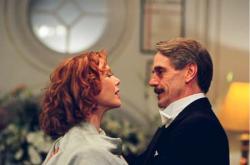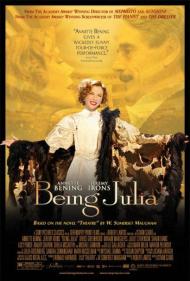



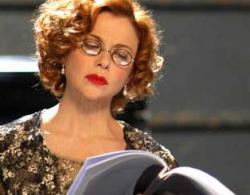
Being Julia is a great showcase for Annette Bening. Its plot is pure soap opera, but Bening imbues her character with such heart, soul, and humor that, despite a second act drag, your attention never wavers. And her final act triumph is the reason acting awards were invented.
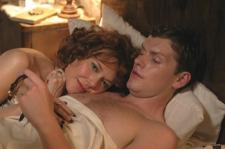
Based on a novella by W. Somerset Maugham, it's set in 1930s London and Bening plays Julia Lambert, the leading light of the theater world. At the top of her game, with no further mountains to climb, Julia finds herself in a slump. The appearance of a young American admirer, with whom she has a passionate affair, seems to revive her lagging spirits. However, when her lover falls for a younger actress and then begs Julia to give her a part in her new play, Julia takes revenge on the young ingénue in a way that would have made Margo Channing, of All About Eve, proud.
The all-British supporting cast is superb. Jeremy Irons plays Julia's husband with whom she shares a platonic and business relationship, kept together more by respect and a shared history than real passion. Michael Gambon does a small turn as the ghost of Julia's old acting tutor. And relative newcomer Lucy Punch does a nice job playing the slightly ditzy blonde who has the misfortune of backstabbing Julia and then the temerity to step onstage with her. All of them, however, take a back seat to Bening who truly shines in the role of stage diva.
While the performances are all good, the story itself feels stretched. The setup is fine and the final act is great, but the middle portion of the film goes on a bit too long. We know the big finish is coming and yet for fifteen minutes or so it feels as though the plot is just spinning its wheels. When the third act does start, with humor and pathos, it more than makes up for the dip, but it would have helped if the film's climax had happened a few minutes earlier.
As a platform for Bening, Being Julia is a tour de force. It's a four-star performance in a three-star movie.