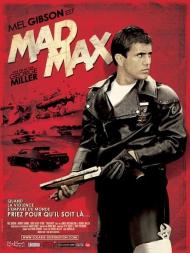



Produced with a budget of less than $400,000 and with a worldwide box office of over $100 million, Mad Max was listed in the Guinness Book of World Records as having the highest profit-to-cost ratio of any motion picture ever made. Although it lost the title in 1999 to The Blair Witch Project, it's still a testament to how a good story, a likable hero and plenty of action can trump the biggest budget and most elaborate special effects.
Written and directed by George Miller, the story was inspired by the gas crisis of the 1970s. With today's rising gas prices and wars in the Middle East, it looks even more prophetic today than it did when it was released.
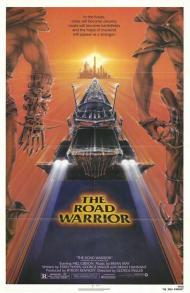
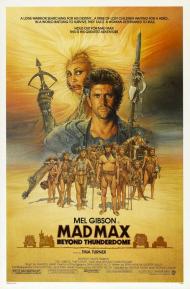
The timeline for the Mad Max films has always been a little sketchy. All we are told when this one starts is that it takes place a few years from now. It doesn't appear that the nuclear war mentioned in the sequels has taken place yet, but society has started to breakdown. Motorcycle gangs rape, pillage and scrounge for fuel along the deserted highways and in seaside towns of Australia. However, civilization still exists, as do courts of law and a police force. The barren wasteland of the sequels is nowhere in sight and the landscape is still quite beautiful in places.
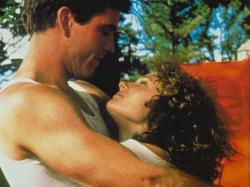
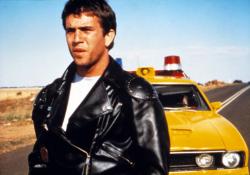
Instead of being the man with no-name, wandering the desert outback, that he would become, Max in this first installment is a family man and police officer. He and his fellow officers patrol the highways in their yellow Interceptors, standing as the last line of defense against the gangs.
The plot is fairly simple and closely resembles that of a western. At the beginning of the film, Max pursues the psychopathic Nightrider, who has stolen a police car. The chase ends with Nightrider's death. Nightrider's gang comes to collect his body and raise some hell. When they kill several people close to Max, he mounts up in his famous super-charged Black Pursuit Special and goes on a quest for revenge.
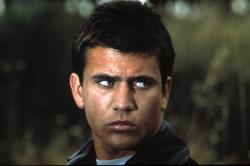
A 23 year old, baby faced Mel Gibson stars as Max. This was just his second movie and the one that set him on the path to stardom. It didn't put him on the A-list, but it certainly pointed him in that direction. The series and this character has never been big on dialogue, but that doesn't stop Gibson from imbuing Max with a humanity that keeps you rooting for him no matter how dark he gets. Without an actor with his charisma in the part, this movie could easily have been forgotten as just a silly action movie, but Gibson provides the much needed heart to the story.
For many years the only version of this movie available in the United States was the dubbed one. When it was released here in 1980 it was felt that audiences would have difficulty understanding the Australian accents and slang, especially through the tinny drive-in theater speakers, which were still prevalent at that time. The result was a cheap and poor dubbing job. When I watched it now, in HD and with the original voices for the first time, I was amazed at how much it improved my enjoyment. In the past I was always so distracted by the voices and the visuals being out of sync that it became annoying. And while audiences in 1980 had no idea what Mel Gibson sounded like, hearing a different voice come out of his mouth just added to the annoyance. Watching it with the original vocal track is the best way to truly enjoy it.
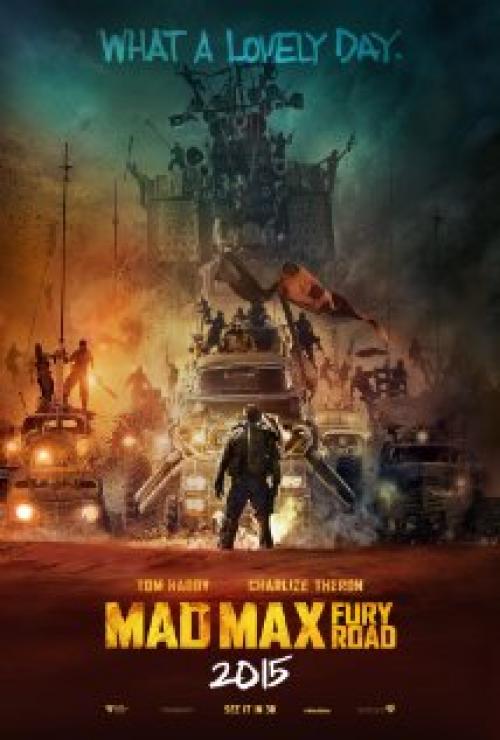
With another Mad Max sequel reportedly in the works (with Tom Hardy taking over the role of Max), now is the perfect time to go back and rewatch the original. It also wouldn't hurt for certain Hollywood producers to watch it either. As the recent John Carter flop proved, just inflating a budget doesn't guarantee entertainment. Sometimes movies done on the cheap, like this one, can be the most innovative.