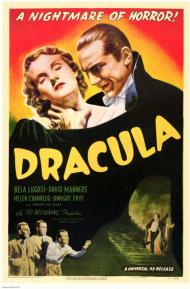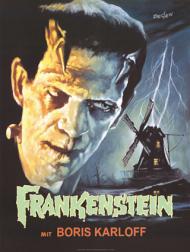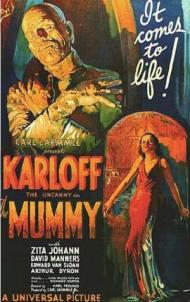



Universal Pictures was well-known in the 1930s as the home of horror, producing such films as Dracula, Frankenstein and The Mummy and making unlikely stars of Bela Legosi and Boris Karloff in the process. Although they can seem quaint when watched today and not very frightening, there are still things to enjoy about them.
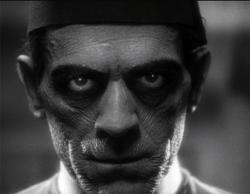
One of the best things about this movie and perhaps the most famous, is the makeup. Karloff in full mummy regalia is impressive. The moment when the mummy actually starts to move is the closest thing this movie comes to being frightening. But surprisingly to me, the mummy is only in this makeup for one very, very brief scene. For the rest of the film, he looks basically human, with just a touch of makeup to give the odd looking Karloff, an even odder look, but the bandages are long gone.
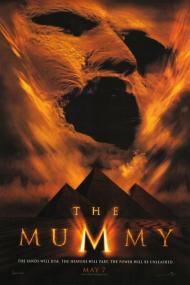
The other surprise to me was how much the 1999 film The Mummy actually reused plot elements from this one. I'm not sure why, but I'd always assumed that the two had nothing in common except the title. In fact, the backstory of the mummy, Imhotep and his lost love, Ankh-es-en-amon, is nearly identical in both versions. It is only in the people who discover the mummy that the stories differ.
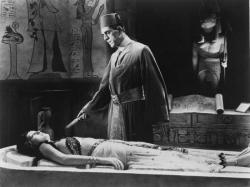
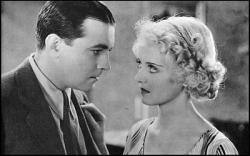
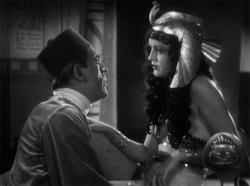
In this version, the story opens in 1921 during an excavation in Egypt. The mummy of former high priest Imhotep is discovered along with a scroll. When the scroll is translated and read out loud, the mummy comes back to life. It steals the scroll and runs away. Cut to 10 years later and Imhotep now looks fairly human and he wants a new group of archeologists to dig up his former lover who is buried near by. We learn that Imhotep was mummified alive for trying to read from the forbidden scroll that would have allowed him to raise his love Ankh-es-en-amon from the dead. Things are complicated further when he discovers that the girlfriend of one of the archeologists is in fact the reincarnation of Ankh-es-en-amon.
What's interesting about this movie is that although the mummy is supposedly the monster, his motive is simply to get back the woman he loved so much that he dared to face eternal hell. He's not so much evil as just determined and willing to do whatever it takes (including murder) to accomplish this goal. He is definitely the most interesting character and I was actually rooting for him rather than the boring archeologist "heroes".
It still baffles me that the movie's most iconic image is only in it for about 5 seconds, but at an hour and ten minutes, the story flies by. Sure, it owes more than a little of its plot to Dracula, released just a year earlier, but overall it's a nice enough, if very dated, little film.