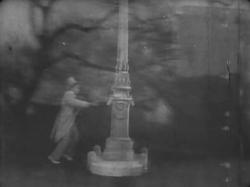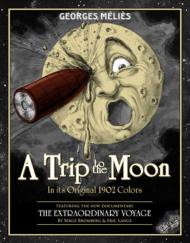



In 1902 the technology of the moving picture had been around for about a decade, but the art form that we know of as “The Movies” didn’t exist until Georges Méliès made the astounding A Trip to the Moon. Never before had anyone attempted a one reel (12 minute) film with a narrative. Not only does Trip to the Moon have a wonderful narrative, it also has at least a dozen sets, a cast of several dozen, an impressive array of costumes, and special effects that must have seemed like magic to audiences of the day, including very early use of stop motion technique to make characters “disappear”.
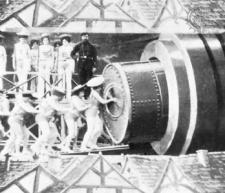
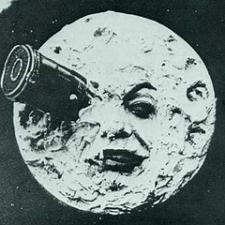
It begins with a cabinet meeting where the minister proposes a trip to the moon. Cut to the rocket, which is really a hollow bullet, being built. Then the group of astrologer, volunteers get inside it and the rocket is shot out of a gigantic cannon. This is followed by the movies’ most famous image. A close up of the moon with a human face. Then the bullet/rocket hits the moon and lands right in one of the faces’ eyes.
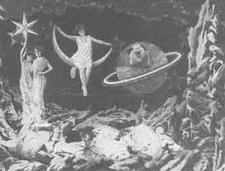
The moon has giant mushrooms and a weird race of aliens. They attack the earthlings and take them to their leader. The humans quickly discover that the aliens are easy to kill and so make their escape back to the rocket which they then push off the “edge” of the moon and “fall” back to earth, landing in the sea before being rescued by a ship. The End.
By today’s standards this movie looks like drawings on a cave wall. Historically though it represents a huge leap in the art of the motion picture. Everyone should see it at least once. A shortened version is shown at the beginning of the original Around the World in Eighty Days, but only about half of the complete movie.
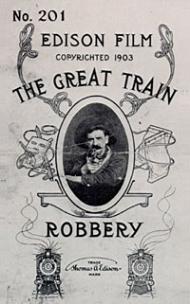
A Trip to the Moon and The Great Train Robbery, which was released the following year in 1903, are the world’s first “Movies”. That means science fiction and the western, along with comedies, which were already around just in shorter versions, are the three oldest film genres.