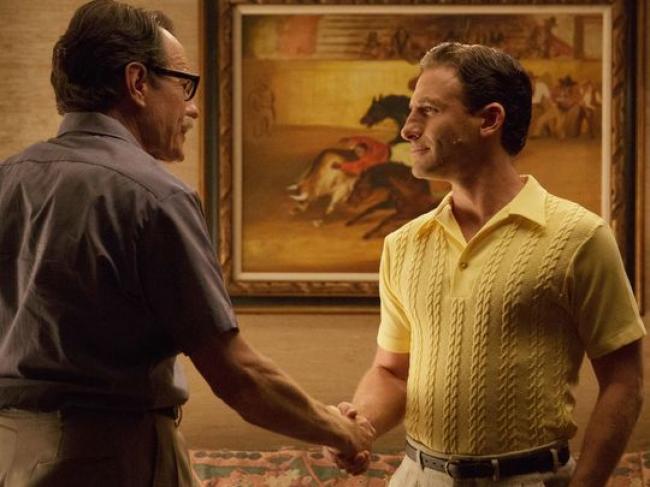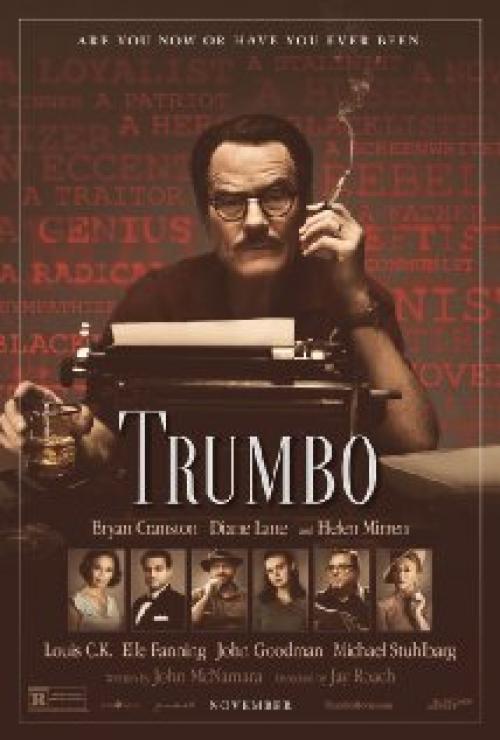



Trumbo tells the story of screenwriter Dalton Trumbo, part of the infamous Hollywood Ten who were blacklisted in 1947 after refusing to cooperate with or answer questions from the House on un-American Activities, following accusations that they were members or former members of the Communist Party. He's an interesting character played quite well by Bryan Cranston, but the movie itself is rather dull. As is said frequently in this movie about scripts Trumbo is asked to work on, the script is bad, but there's a good story in here somewhere.
Part of the problem with the movie is that it lacks focus. The character of Trumbo is at its heart, but it never seems to make up its mind whether or not it wants to be a family drama, a biopic, or a political/historical drama. It throws in elements of each, when it would have done better to focus on a single one of them.
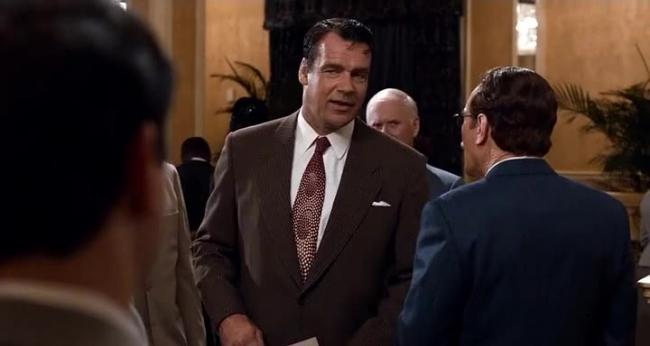
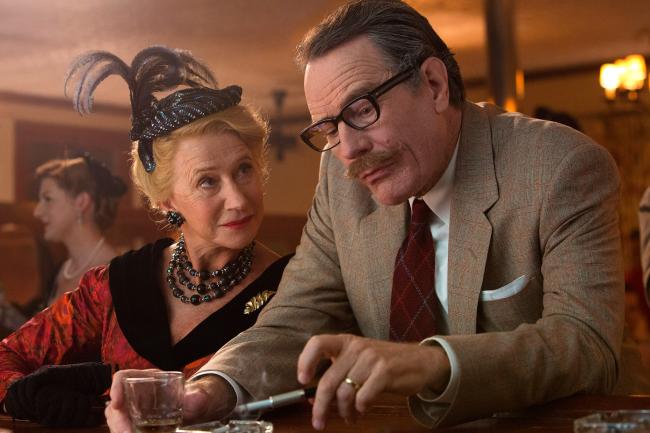
The most entertaining storylines are the ones that focus on Trumbo's work and his dealings with real life Hollywood figures. Edward G. Robinson, John Wayne, Hedda Hopper, Kirk Douglas, and Otto Preminger all make an appearance. When the film begins, Robinson and Trumbo are working together on a film and both seem politically aligned. Following the blacklist however, Robinson cooperates with the HUAC and even names names. John Wayne and Hedda Hopper are both staunchly anti-communist and support the blacklist, with Hopper being portrayed as particularly fervent by Helen Mirren. Douglas and Preminger are the two figures who helped Trumbo come back into the Hollywood fold and end the blacklist by not only hiring him, but giving him screen credit on Spartacus and Exodus.
During the years while Trumbo was blacklisted, he worked a writer's black market. He and his fellow blacklisted writers churned out screenplays for B-movies under pseudonyms, many of them for King Brothers Productions, with Frank King played colorfully by John Goodman. Trumbo also worked clandestinely on more prestigious pictures and won the Academy Award for Best Screenplay twice while on the Blacklist, one for 1953's Roman Holiday and another for 1956's The Brave One, without getting credit for either of them until years later.
The family drama works less well. Diane Lane plays Trumbo's long suffering wife, but she's written very generically. Elle Fanning plays his oldest daughter, but her story of being a neglected child kind of fizzles out and merely adds to the running time. The rest of his children are merely background extras.
Trumbo went to prison for his political beliefs, but this movie lacks the strength of his convictions. It treats the politics simplistically. Hopper is a cartoon villain. Trumbo and a more radical writer, played by Louis C.K., argue occasionally but to no real end, and the movie shies away from making any real political statement beyond the most generic platitudes.
Cranston has already received several nominations for his performance as Trumbo and they are well deserved. He's one of the finest character actors working today. The rest of the cast is also quite good. Those playing real life celebrities avoid direct impersonations, but manage to evoke the feel of those they are portraying. The filmmakers also employ newsreel footage, some of them with Bryan Cranston Forrest Gumped into them, including footage of Ronald Reagan and John F. Kennedy.
Anyone with an interest in Hollywood and its history should find something to enjoy here, but overall as movie entertainment, it never quite succeeds.