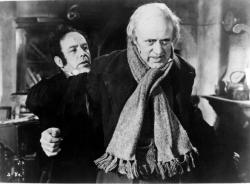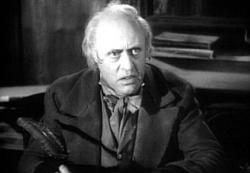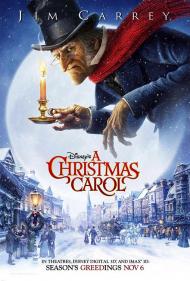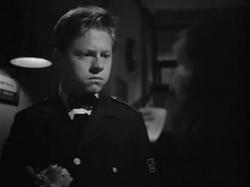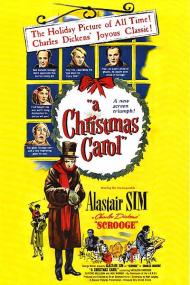



There have been nearly two dozen film versions of Charles Dickens' classic novella A Christmas Carol, dating back more than a hundred years. There have been musical versions as well as animated ones. Both Mickey Mouse and the Muppets have done their take on the famous story. The most recent big screen adaptation was in 2009 starring Jim Carrey in a performance capture role. Of all these movies, 1951's Scrooge (known in America as A Christmas Carol) is the most celebrated, and Alastair Sim's turn as Ebenezer Scrooge is considered to be the gold standard by which all others are measured.
This wasn't always the case though. Like It's a Wonderful Life (the American equivalent of A Christmas Carol) Scrooge was not an instant classic. It wasn't a big hit in the United States upon its initial release and it received mixed reviews from critics. For years it was overshadowed by MGM's 1938 version starring Reginald Owen. However, like It's a Wonderful Life, its reputation began to improve with every subsequent television airing and by the 1980s it was pretty widely regarded as THE cinematic adaption of Dickens' story.
Most of the credit belongs to Sim. He hits every note perfectly. He does the miserly scenes with just the right amount of humbug. Scrooge is a man who has no use for other people. He isn't an evil person but his spirit has been defeated by life; otherwise his redemption at the end wouldn't work. He thinks himself the only honest man and that everyone else is being phony when they wish each other “Merry Christmas!”
Then the ghost of Jacob Marley -who has been dead these seven years- appears and the most terrifying night of Ebenezer's life begins. As those three pesky Christmas ghosts start whisking him about, Sims cringes with fear, and pleads for mercy. Eventually he begins to show remorse for his heartless behavior.
Then of course comes Christmas morning and the giddy Scrooge, bursting with bonhomie for his fellow man. Here is where Sims leaves every other actor in his wake. His pure overflowing joy at being alive, and being given a second chance, is magical. (It is this scene in particular that Frank Capra borrowed from Dickens for It's a Wonderful Life.)
Scrooge expands on Ebenezer's backstory. A few minor details have been altered but the single biggest change was the addition of the Mr. Jorkin character, who tempts Ebenezer down the dark path. He's nowhere to be found in Dickens' book. With these additions the script paints a fuller portrait of how Ebenezer Scrooge got to be the stingy old man he has become, and it still manages to run less than 90 minutes.
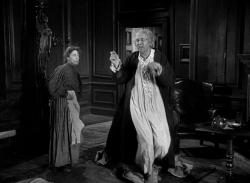
The supporting cast is terrific. From Bob Cratchit to Tiny Tim to Jacob Marley to old Fezziwig these are iconic characters and each actor is wonderfully suited to their role. After Sim the second most acclaimed performance is by Kathleen Harrison as the charwoman Mrs. Dilber. Her best scene is Christmas morning when she thinks Scrooge has lost his mind (see photo). But her reaction changes from fright to delight once she realizes what's happened. Her final goodbye to him is memorably hilarious.
Charles Dickens wrote about a fateful Christmas Eve in London set in the year 1843. In 1951 Alastair Sim brought Ebenezer Scrooge to life and made the role his for all time. In the 21st Century the story remains timeless. Surely this is among the handful of greatest Christmas movies ever made.