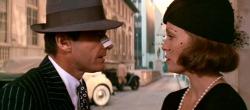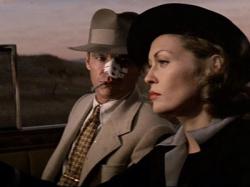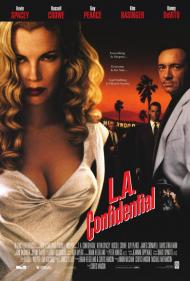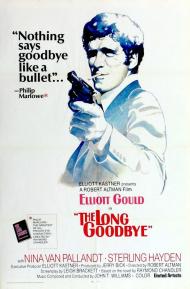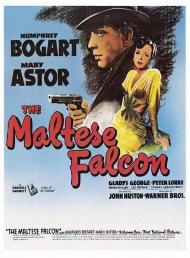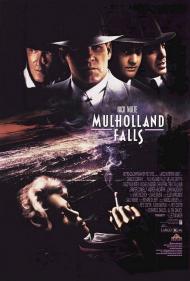



The hard-boiled detective genre is an old one. There were hints of it in earlier films, but The Maltese Falcon, starring Humphrey Bogart as Sam Spade, really laid down the blueprint for future films in 1941. A convoluted mystery that begins with a visit from a femme fatale, a cynical detective with a code of honor, and a spider-like villain weaving a web at the center of the story are all familiar elements of this type of film.
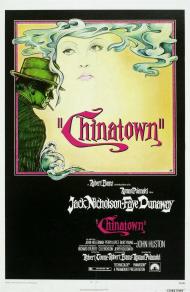
In 1974, director Roman Polanski and scriptwriter Robert Towne resurrected the almost dead format with their masterpiece, Chinatown. They followed the rules of the genre (with a few twists) faithfully, only updating the filming techniques and some adult content that would have been merely hinted at in the 1940s. It's filmed in color, but is unquestionably film noir, or neo-noir as the style has come to be called.
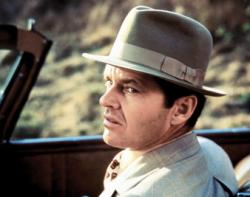
The story is set in 1930s Los Angeles with a mystery that begins simply. Private eye J.J. Gittes (Nicholson) is hired to follow an unfaithful husband. This action leads him deeper into a mystery of fake identities and political corruption surrounded around the water wars that were so important to the development of Los Angeles.
Producer Robert Evans approached Polanski to direct because he wanted a European director, someone with an outsider's view of Los Angeles and America. Polanski accepted the assignment somewhat reluctantly. It was his first visit back to the city since the murder of his wife Sharon Tate a few years before. Perhaps this contributed to his dark view of the story and his insistence that the ending not be a happy one, something that he and scriptwriter Robert Towne reportedly argued over, heatedly.
Polanski has long been a director who's more famous for being famous than he is for the quality of the movies he makes, but with Chinatown, he deserves much praise. The look of the film is terrific, the mystery is tense and appropriately twisty, while the cast deliver knockout performances. You could argue that Polanski has been living on his reputation from this movie and trying to live up to it, ever since.
This is also the movie that put Jack Nicholson on the A-List (a position that would be cemented the following year in One Flew Over the Cuckoo's Nest). He carries the movie, appearing in every scene and with the story unfolding from his point of view. As the years have passed, Jack's performances have grown bigger and bigger, until sometimes it almost seems as if he's doing his own Jack Nicholson impression, but here he plays it smaller. His Gittes is a layered character and Nicholson makes his depth visible to the audience. He received his 4th Oscar nomination for this film, part of an amazing run when from 1970 to 1976, he was nominated 5 times.
Typical of the genre, the plot is complex, or at least seems that way upon first watching. The mystery makes it seem more complicated than it really is. Towne's script is brilliant in the way it reveals the story. Of the 11 Oscar nominations the movie received, his script was the only winner and if it could only win one, then the right one was chosen.
Towne originally planned on writing a trilogy of films around the Gittes character. The second wouldn't appear until 1990 with the Nicholson directed The Two Jakes, which wasn't a hit and seems to have doomed the prospects for a third film. With such a classic as its predecessor, it's doubtful any sequel would have been able to live up to it or the memory of it.