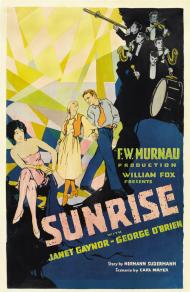



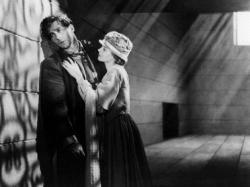
Sunrise is a silent movie masterpiece by German Expressionist filmmaker F.W. Murnau. It was the Nosferatu director's first movie he made after arriving in Hollywood. It was released around the same time as The Jazz Singer and -although it was one of the first feature films to have a soundtrack of music and sound effects- it failed to find an audience that had just gotten their first taste of Talking Pictures. It was critically acclaimed right from the start, however, and is today considered to represent the absolute apex of the silent movie art form.
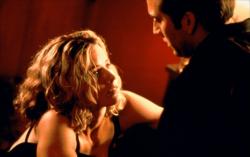
As the movie begins a simple farmer is being tempted by a big city vamp to drown his wife and run off to the city with her. Elements of this plot were used back in 1915 in the Fox movie starring Theda Bara called A Fool There Was and later in 1951's A Place in the Sun. In a nutshell a bad woman attempts to lead a gullible man down the path of self destruction using sex as a weapon. It's a plot device as simple and old as time itself. Sunrise is unique in the fact that it begins with the temptation and deals mostly with what comes after.
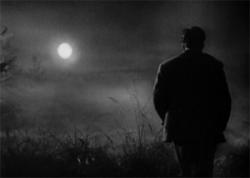
What makes the movie so memorable is the manner in which it was filmed. Murnau was a master of the German Expressionist style which was famous for using art design to create symbolic effects on the screen. He also cleverly utilized double exposures as well as long tracking shots. The scenes in the city were filmed on a vast, elaborate set that cost a then unheard of 200,000 dollars to build.
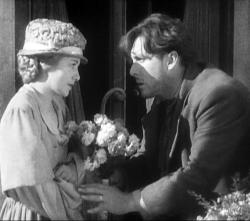
George O'Brien and Janet Gaynor play the unnamed Man and Wife. Although they both give riveting performances it is interesting to note the differences in their styles of acting. O'Brien plays it big and dramatic with many silent movie mannerisms. But he is very effective at conveying the Man's moods. He runs the gamut from sinister, to sullen, to guilt ridden, to joyous, to despondent, to murderous. He was a physically imposing man and that works well for the story. Gaynor (in a blonde wig) plays it smaller but like O'Brien she has to play a wide range of emotions. For her work in this film as well as two others (Seventh Heaven and Street Angel) she won the very first Best Actress Oscar (at that first ceremony, in the spring of 1929, the Academy gave statuettes for the best body of work in the year and not for a single performance).
Words cannot really do this movie justice. It is visually unique and remains an impressive monument to the silent movie art form. As technically innovative as it was it wouldn't be nearly so revered and well-remembered if it didn't tell a universal and emotionally devastating story. I won't give away the ending but the movie really takes the audience on an emotional roller coaster ride through a visually amazing cinematic landscape. At just over 90 minutes it is also one of the more accessible silent melodramas.
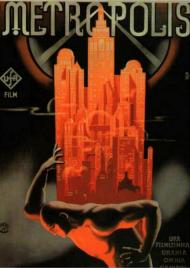
The arrival of sound, with it's need for microphones, limited the mobility of the camera. Stylistically those early talkies lacked the freedom of movement that silent movies had enjoyed and perfected. In 1927 movies like this one, as well as Metropolis and Wings, demonstrated a sophisticated level of camera movement and special effects that wouldn't be matched until the early 1930s. For anyone that has never watched a silent movie, or for those people who have only ever seen silent comedies, Sunrise is the perfect introduction to the silent drama. Murnau set up the composition of each shot so specifically and artistically that from beginning to end Sunrise embodies the true meaning of the term Motion Picture.